
Africa
Africa is a fascinating continent and offers a wide range of opportunities for investment. Its potential is characterized by a young and growing population and by the wealth of natural resources. In addition to breathtaking landscapes and a well-developed tourism sector, there are great opportunities in agriculture, food processing, as well as energy production. In the mining and processing of critical minerals, there are many industrial sectors that rely on these raw materials.
Through the many years of activity of its founder, Carl Heinrich Bruhn, the CHB Group is ideally positioned in Africa. It not only has a wealth of experience in the planning and implementation of projects, but also an excellent network of decision-makers in business and politics.
The CHB Group concentrates on investments in the business areas of agriculture, energy and critical raw materials. The company is supported by an experienced advisory board.
Sustainable Agricultural
Development in Africa
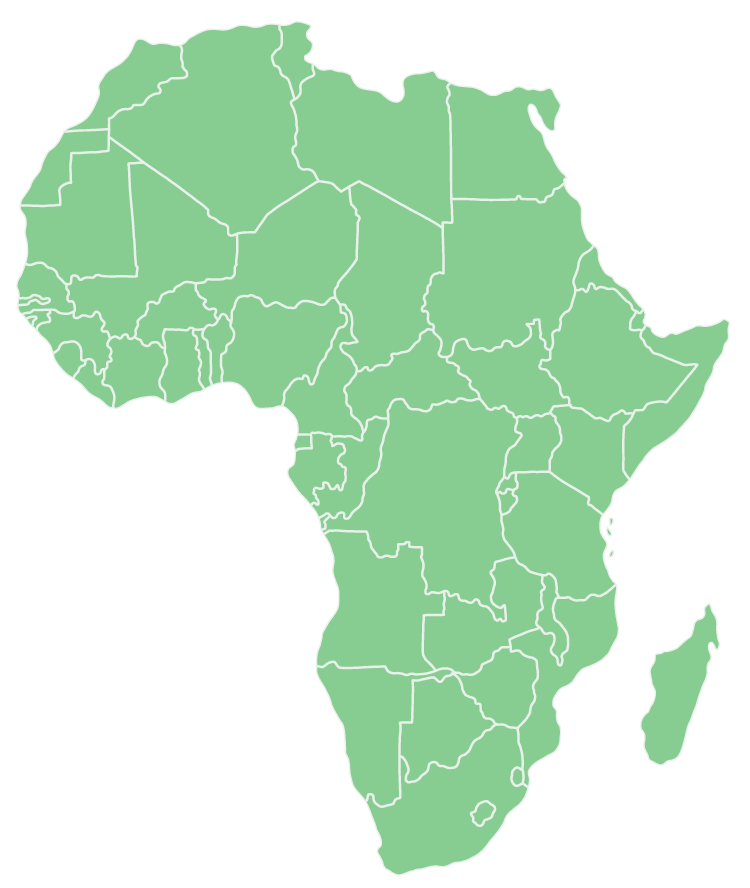
The CHB Group drives sustainable agricultural projects across South Africa, Zambia, Zimbabwe, Uganda, Ghana, Nigeria, and soon Angola, aiming to enhance productivity, food security, and local value creation through responsible development.
Core to this vision is the installation of essential infrastructure, including water, electricity, roads, and irrigation, to enable stable production and efficient management. Land cultivation transforms bushland into fertile farmland through clearing, liming, fertilizing, and soil preparation.
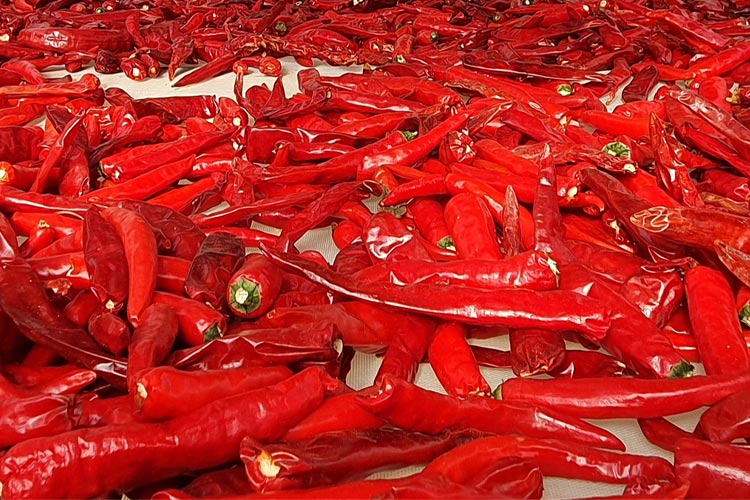
Storage and logistics facilities ensure product quality, protect harvests, and connect farms to markets. The cultivation of staple crops supports regional food supply, while high-value exports such as spices and specialty crops open international opportunities.
Through close collaboration with local communities, the CHB Group promotes knowledge transfer and market access. Its engagement with political leaders across Africa ensures shared understanding and supportive frameworks for long-term growth.
The CHB Group thus combines economic efficiency, social responsibility, and sustainability into an integrated model for Africa’s agricultural future.
1. Comprehensive study of the area
Site Analysis, Land Rights and Project Foundation
Every development project of the CHB Group begins with a comprehensive site analysis, forming the basis for sustainable, economically viable, and socially responsible implementation.
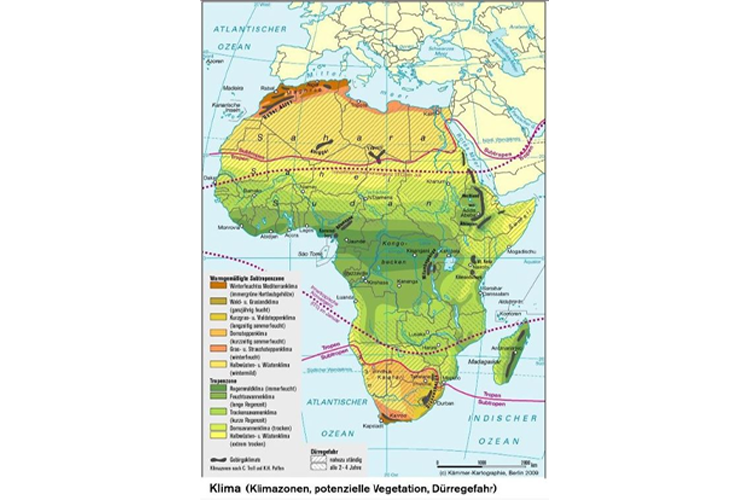
This process includes a detailed assessment of climatic, environmental, and social conditions, as well as soil quality, water resources, ecological compatibility, market structures, logistics, and proximity to ports and consumer centers.
A key component is the macroeconomic data analysis, which examines national and regional economic conditions, investment security, currency stability, infrastructure development, and agricultural policy frameworks. These insights provide a sound understanding of the broader economic environment and guide strategic, long-term investment decisions.
Equally important is the clarification of land rights. The CHB Group places great emphasis on legally sound, transparent, and socially responsible land use agreements, aligned with national legislation and the interests of local communities.
All analyses are carried out through detailed individual studies, ensuring a realistic evaluation of each site’s potential and allowing project planning to be precisely adapted to local and economic realities. This ensures that every investment is environmentally sustainable, economically efficient, and socially inclusive.


2. Basic Infrastructure
Basic Infrastructure for Farm
Development in Africa
The installation of essential infrastructure such as water supply, electricity, access roads, and irrigation systems is crucial for the successful establishment of an agricultural project in Africa.
Such infrastructure provides the foundation for productivity, operational reliability, and sustainability of the farm. Without dependable water and energy sources, stable production and efficient management are impossible. Proper road infrastructure enables movement of inputs and produce, while effective irrigation minimizes weather-related yield risks.
Moreover, basic infrastructure creates the conditions for further investment, local value creation, and employment, fostering a resilient and sustainable agricultural ecosystem in the long term.


3. Soil Preparation – From Bushland to Farmland
Land Cultivation from Bushland to Productive Farmland
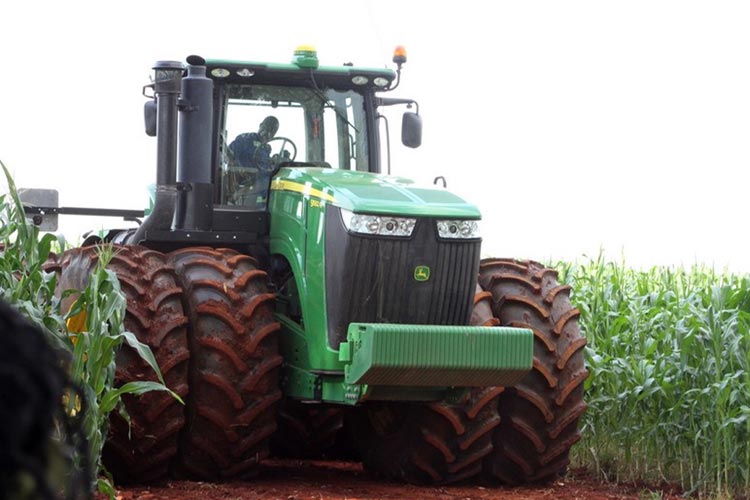
Land cultivation is a key step in developing farms, particularly when transforming untouched bushland into fertile, productive farmland. Through land clearing, natural vegetation and root systems are removed, making the soil accessible for agricultural use.
Subsequent cultivation, liming, and fertilizing are essential to improve soil structure, balance pH levels, and ensure adequate nutrient availability. These processes enhance soil biology, increase water retention capacity, and create optimal conditions for crop growth.
Thorough soil preparation, including plowing, harrowing, and deep loosening, ensures proper aeration, eliminates compaction, and promotes uniform root development. Altogether, soil cultivation provides the basis for sustainable yield improvement, soil health, and long-term fertility, making it an indispensable element of any successful agricultural development project.


4. Storage & Logistics
Storage and Logistics Infrastructure for Sustainable Agricultural Value Creation
The installation of storage and logistics infrastructure is a crucial element of any successful agricultural development. Proper post-harvest storage protects crops from spoilage, mold, and pest damage, ensuring quality preservation and value retention of the produce.
The establishment of drying, cooling, and processing facilities extends shelf life and allows for greater flexibility in marketing and sales timing. Likewise, efficient transport and logistics systems enable rapid and cost-effective access to regional and international markets.
Moreover, logistics infrastructure serves as the critical link between production and market, providing the foundation for a reliable supply chain, enhancing competitiveness, and improving the overall profitability of the agricultural enterprise.
Therefore, the development of storage and logistics facilities is a key factor for sustainability, profitability, and market readiness in agricultural projects across Africa.


5. Agricultural Production
Importance of Agricultural Production for Regional Food Security and International Market Integration
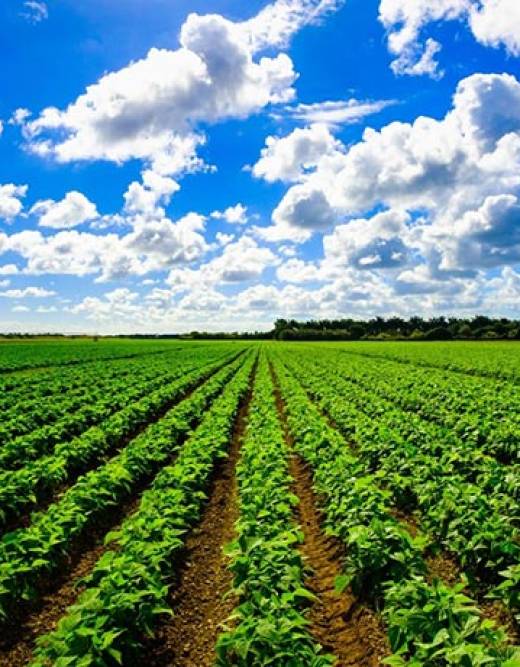
Agricultural production lies at the core of any successful farm development. The cultivation of staple crops such as wheat, soybeans, maize, potatoes, and vegetables plays a vital role in strengthening regional food security and supporting local nutritional stability. These crops provide consistent value creation, reduce dependence on imports, and generate income and employment opportunities in rural communities.
At the same time, the production of high-value export crops, such as spices, herbs, and specialty products, offers significant economic potential. By targeting European and international markets, farms can generate foreign exchange revenue, raise production standards, and diversify agricultural value chains.
This combination of locally oriented staple production and export-oriented premium cultivation ensures a sustainable balance between food security, economic growth, and global competitiveness. It enhances the resilience of the agricultural sector and positions the farm as a strategic player in both regional and international value systems.


6. Cooperation with local communities
Collaboration with Local Communities for Sustainable Development and Social Integration
A strong and cooperative relationship with local communities is a key success factor for any agricultural development project. It not only ensures social acceptance and stability but also enables shared economic growth within the region.
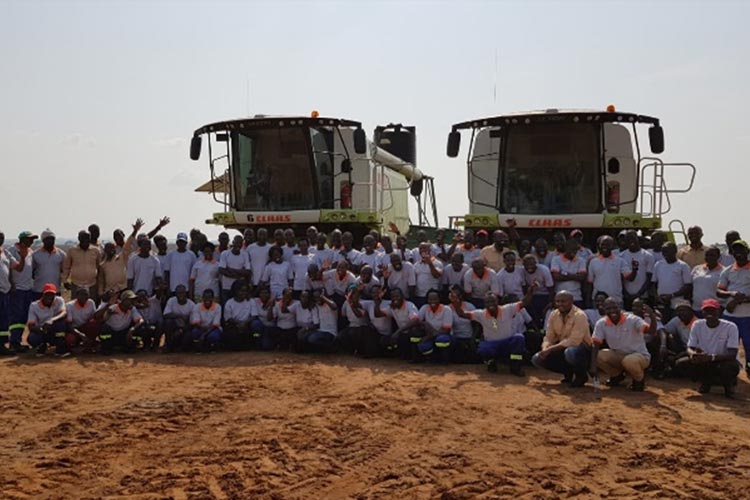
By involving local workers and farmers, new employment and income opportunities are created, while the transfer of knowledge and modern agricultural techniques provides access to markets, technology, and efficient production methods.
This collaboration promotes knowledge exchange, capacity building, and mutual respect, which in turn strengthens rural communities and social responsibility. In essence, close cooperation with local stakeholders forms the foundation for sustainable growth, long-term partnerships, and inclusive development, benefiting both the project and the surrounding population.


7. Political Stakeholder engagement
Stakeholder Engagement and Cooperation with Political Decision-Makers
Active and strategic stakeholder engagement with political leaders at both national and international levels is essential for the successful implementation of large-scale agricultural development projects.
Political support helps to establish stable regulatory frameworks, encourages investment-friendly environments, and ensures the alignment of projects with national development priorities.
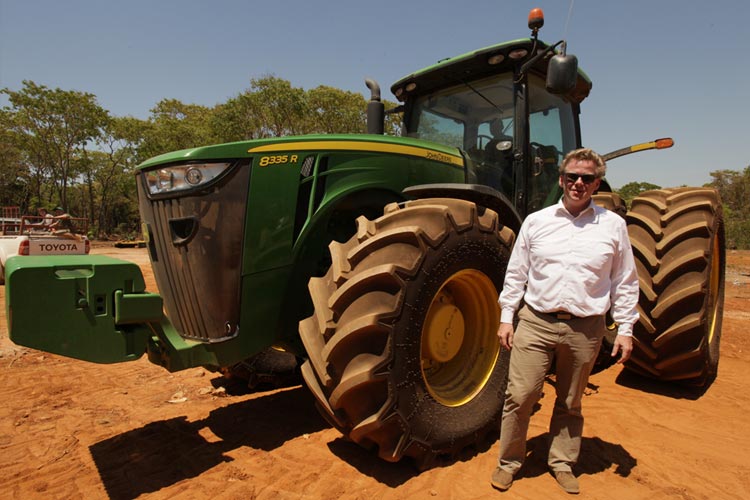
The CHB Group maintains close and continuous dialogue with the political leadership of several African nations, including South Africa, Zambia, Zimbabwe, Uganda, Ghana, Nigeria, and, in the near future, Angola. The objective of this engagement is to foster mutual understanding of the requirements and opportunities involved in project implementation, from infrastructure development and investment security to the sustainable management of agricultural resources.
This approach strengthens trust, transparency, and political backing, thereby creating long-term partnerships between the private sector, governments, and local communities. Close collaboration with policymakers at all levels is therefore a cornerstone of CHB Group’s sustainable growth and project scalability across Africa.